What Is Hat Channel? A Contractor’s Guide to Hat Purlins for Metal Roofing and Wall Framing
If you’ve spent any time in post-frame construction or pole barn work, you already know that hat channel goes by a lot of names. Hat purlin, hat track, light gauge furring, secondary framing — or sometimes just “the steel we screw the roof to.” The name changes depending on who you’re talking to, but the job stays the same: give your metal panels a solid, straight surface to fasten to.
What makes hat channel worth knowing well is that it solves several problems at once. It’s light enough for one person to handle, holds up in the elements when galvanized, and it’s become the go-to solution for retrofitting a new metal roof over an old one without the headache of a full tear-off. For anyone trying to keep labor costs down without cutting corners on durability, it’s hard to beat.
What Do Contractors Actually Use It For?
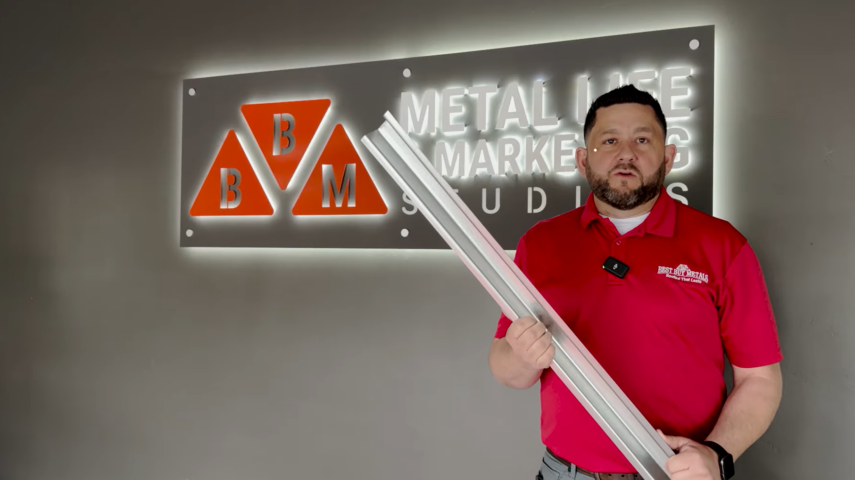
The profile itself — shaped like a top hat in cross-section — is what gives the material its strength. There’s no heavy mass involved. The geometry does the work, which is why it performs well as a secondary framing member even in light gauge.
You’ll see it used most often for roof support under metal panels, wall framing and siding attachment, rake and low wall framing, and interior furring when you need a level substrate. It’s also one of the better options for creating insulation cavities in metal building systems.
At Best Buy Metals, it’s stocked in 29 and 26 gauge in standard 20-foot lengths, with a galvanized finish being the most popular by far. Galvanized holds up better in exposed roofing and wall environments where a red iron finish would start showing wear sooner. Here is a link to the Best Buy Metals Hat Channel product page.
Why Crews Keep Coming Back to It
The appeal is pretty straightforward: hat channel moves fast on a jobsite. It’s lighter than wood purlins, far easier to work with than structural steel, and it gives your panel installation a consistent screw line that keeps everything running straight.
That last part matters more than people give it credit for. A clean, reliable fastening base means fewer missed fasteners, better panel alignment, and fewer callbacks. On agricultural buildings, lean-tos, barndominiums, and light commercial work, those small efficiencies add up across a full project.
Where It Really Earns Its Keep: Retrofit Roofing
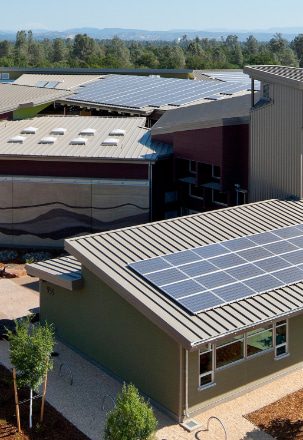
If there’s one application where hat channel consistently outperforms the alternatives, it’s metal-over-metal retrofit systems. When a building already has an aging roof, tearing it off means added labor, dumpster rental, weather exposure during the project, and downtime the building owner wasn’t budgeting for.
Running hat channel directly over the existing roof structure — then fastening new panels on top — sidesteps all of that. You get a fresh fastening base, room to add insulation if needed, and a much cleaner finished product without the mess or timeline of a full tear-off. Building owners get a faster project and a lower overall cost. Contractors keep their margins healthier and their crews moving.
End Lapping: A Small Detail That Saves Real Time
One thing experienced installers appreciate is how easily hat channel sections can be end lapped in the field. Rather than cutting every run to an exact measurement, you can overlap sections to extend framing lines across the roof or wall. It reduces waste, simplifies layout on long runs, and gives you flexibility when dimensions don’t work out perfectly — which, on real jobsites, happens more than the plans suggest.
Fastening and Field Performance
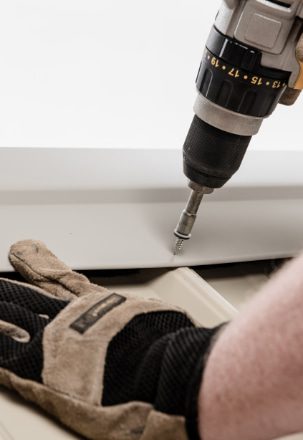
Self-drilling screws are the standard for most roof and wall applications, though structural bolts and welding come into play on steel frame jobs. The steel profile gives you a consistent fastening surface that won’t split, twist, or swell with moisture the way lumber can over time. That dimensional stability is especially valuable in metal building systems where long-term performance depends on everything staying where you put it.
Hat Channel vs. Wood Purlins
It’s a fair question, and the honest answer is that it depends on the application. Wood still makes sense in traditional post-frame construction, and there are building systems where it’s the right call. But for retrofit work, metal-over-metal systems, and any project where corrosion resistance and installation speed are priorities, hat channel is usually the better fit. Lighter, straighter, and more compatible with steel framing — it’s a cleaner tool for the job.
Bottom Line
Hat channel doesn’t get a lot of attention, but it quietly handles some of the more expensive problems on a metal building jobsite. It keeps installs moving, panels straight, and retrofit projects off the tear-off timeline. For anyone doing pole barns, agricultural builds, barndominiums, or metal roof recovers regularly, it’s one of those materials that’s worth stocking and worth understanding well.